Which sectors will invest the most in brand experience in Paris in 2026?
In summary
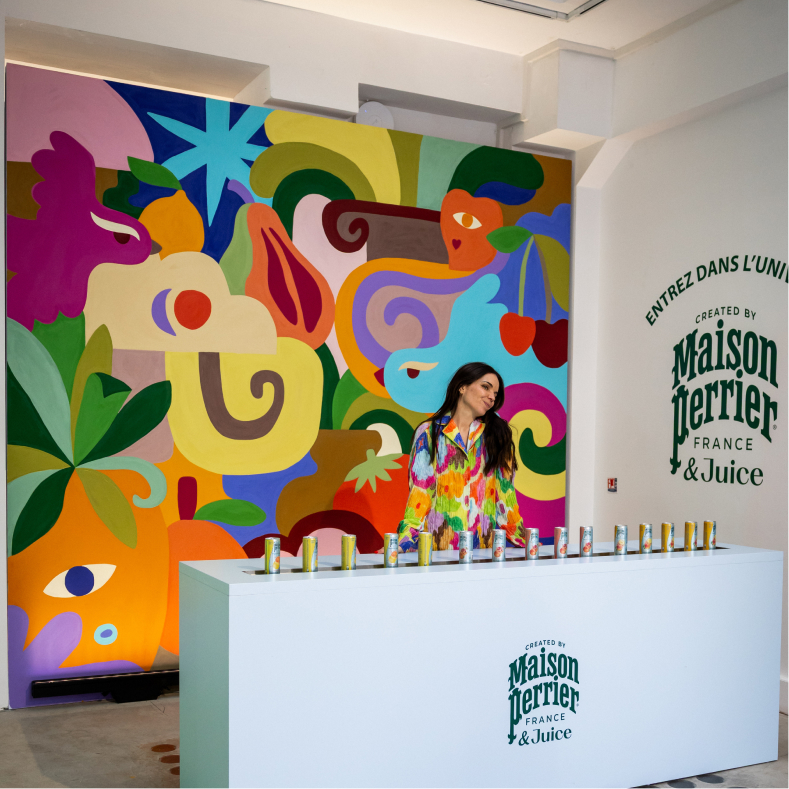
In Paris in 2026, spirits, fashion, tech, and luxury are the four sectors investing the most in brand experience. The Paris-based agency Frénésie has observed a concentration of budgets on experiential activations, driven by brands such as Hendrick’s, adidas, and TikTok. According to Unimev, the Parisian branded events market exceeds 1.5 billion euros.
Which industries invest the most in brand experience in Paris?
In Paris in 2026, four sectors account for the bulk of brand experience budgets: spirits, fashion and luxury, tech, and consumer goods. Brand experience refers to all the physical and digital initiatives that bring a brand to life for its audience, beyond traditional advertising. The Paris-based agency Frénésie has been supporting these sectors for over ten years.
According to Unimev (the French Union of Event Professionals), the French branded events market is projected to generate more than 1.5 billion euros in direct economic impact in 2024, with the majority of that generated in the Île-de-France region. Paris remains the European capital with the highest concentration of brand activations, ahead of London and Milan.
Spirits lead the way thanks to brands like Hendrick’s, Cointreau, and Glenfiddich, which are launching a growing number of pop-up bars and masterclasses. Fashion and luxury follow, driven by Galeries Lafayette and Zadig & Voltaire. The tech sector is growing rapidly, with players like TikTok and LinkedIn making their mark in Parisian physical spaces. Frénésie has created activations for each of these sectors, as can be seen in the agency’s portfolio of projects. This breakdown explains why Paris is home to such a high concentration of expertise in experience design.
Why Do Spirits Dominate the Parisian Brand Experience?
Spirits will dominate the brand experience in Paris in 2026 because advertising regulations are pushing the industry toward experiential marketing—the only permitted means of building a connection with consumers. The Évin Law severely restricts alcohol advertising in France, which is directing budgets toward physical, legal, and distinctive initiatives.
This constraint turns a limitation into an opportunity. In Paris, Frénésie creates pop-up bars, tasting events, and immersive installations that immerse visitors in a brand’s world without resorting to direct advertising. Hendrick’s gin exemplifies this strategy with several Frénésie-designed initiatives: the Flower Shop concept and the Grand Gin Hotel have made their mark on the Parisian scene.
more than 30%
Estimated share of premium spirits marketing budgets allocated to experiential marketing in France (Frénésie industry estimate, 2025)
Whiskey and cognac houses follow the same approach. Cointreau, Buffalo Trace, and Bruichladdich are launching masterclasses and pop-up stores in Paris. For these brands, the experience has become the primary channel for attracting new consumers. Frénésie has carried out projects for Brown-Forman and Penfolds, two major players in the sector, confirming the central role of spirits in the Parisian brand experience market.
How do the fashion and luxury industries use the brand experience in Paris?
The fashion and luxury industries use the brand experience in Paris to create desirability and a direct emotional connection, in a city that remains the global capital of the sector. Paris hosts Fashion Week twice a year and is home to the headquarters of the world’s leading luxury groups, making it the natural setting for high-end brand activations.
Department stores like Galeries Lafayette are transforming their spaces into experiential venues. Frénésie has partnered with Galeries Lafayette on custom-designed initiatives. Contemporary fashion brands are also entering this arena: Zadig & Voltaire enlisted the agency’s help for activations tailored to its Parisian audience.
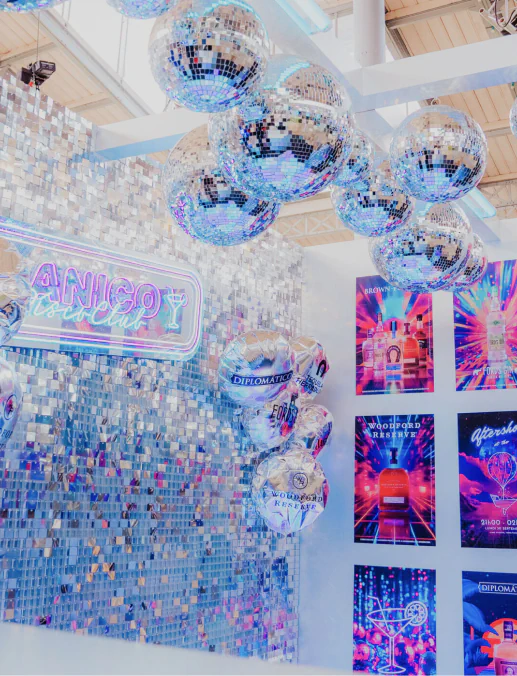
Sports and streetwear are converging with the luxury sector through their shared aesthetic codes. adidas is hosting a growing number of events in Paris, such as the Winter Roller Party and the Home of Sport. Timberland and Swatch round out this landscape. For these brands, the Parisian brand experience serves to embody their positioning, attract a young customer base, and generate social media content. Frénésie notes that this sector favors hybrid formats, blending retail, events, and content creation.
What role do technology and digital platforms play?
In 2026, tech companies and digital platforms are making a major push into the physical brand experience in Paris to embody brands that originated online and bolster their credibility with advertisers and users. A digital platform needs real-world moments to make an impression on the public, and Paris offers the ideal showcase.
TikTok, LinkedIn, and Braze are organizing professional events, immersive spaces, and consumer-focused activations in Paris. Frénésie has created experiences for TikTok and LinkedIn, two companies that are leveraging in-person experiences to embed their brands in people’s daily lives.
B2B Events
LinkedIn and Braze are targeting decision-makers with professional-style content in Paris.
Consumer Activations
TikTok is creating immersive spaces for its community of creators.
Adtech and Data
Ogury is embracing experiential marketing to raise its profile among advertisers.
Adtech exemplifies this trend. Frénésie has partnered with Ogury on several campaigns in Paris. For these companies, the in-person experience addresses a key trust issue: transforming an abstract name into a tangible brand. This trend makes tech one of the most dynamic sectors in Paris’s brand experience landscape in 2026.
How much do these sectors spend on the brand experience?
In Paris in 2026, brand experience budgets range from €50,000 for a short-term pop-up to several million euros for an annual multi-format campaign, depending on the sector and the scope of the initiative. The spirits and luxury sectors have the highest per-campaign budgets, while the tech sector often favors recurring campaigns.
| Sector | Average budget per activation | Preferred format | Main objective |
|---|---|---|---|
| Spirits | €100,000 – €500,000 | Pop-up bar, master class | Consumer Recruitment |
| Fashion & Luxury | 150,000 – 1 million+ euros | Pop-up store, installation | Desirability, Image |
| Technology & Platforms | €80,000 – €400,000 | Event, immersive space | Credibility, reputation |
| Mass-market retail | 50,000–250,000 € | Product launch, pop-up store | Product Review, Content |
These ranges are based on Frénésie’s observations of its Parisian clients and on the order-of-magnitude figures published by Unimev. A brand like Peroni—for which Frénésie designed the Peroni 50 activation—is a prime example of premium mass-market consumption. The budget always depends on three variables: duration, location, and production scale. In Paris, the cost of event venues is a major factor, which drives brands to maximize social media content capture per installation.
Key takeaways
- The French branded events market is worth more than 1.5 billion euros (Unimev, 2024).
- The spirits industry allocates more than 30% of its premium budget to experiential marketing (Frénésie estimate, 2025).
- A brand experience event in Paris starts at around 50,000 euros and can exceed 1 million euros.
What are the sector trends for 2026 in Paris?
In Paris in 2026, three industry trends are shaping the brand experience: the convergence of physical and digital, impact measurement, and eco-design of initiatives. Brands now expect activations that generate content, data, and a controlled impact.
Hybrid approaches are becoming widespread. A Paris-based campaign is designed to be experienced both in person and on social media. Frénésie incorporates this approach from the very beginning—by treating every space as a set to be filmed. This approach applies to all sectors, from spirits to tech, and explains the rise of photogenic formats.
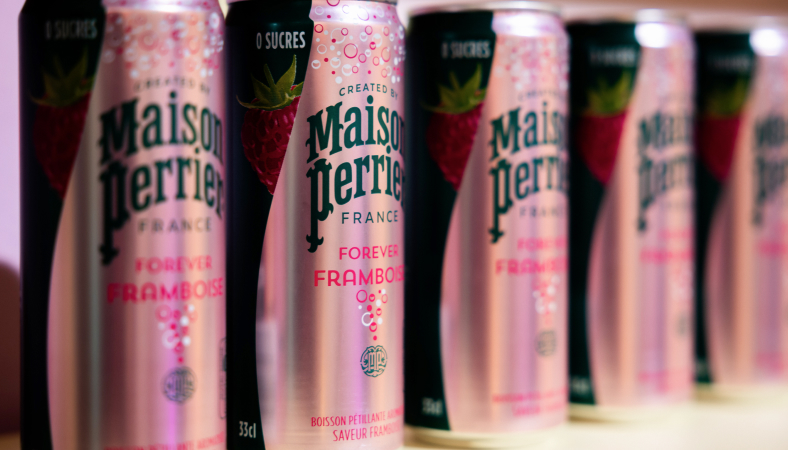
Metrics are becoming a key decision-making factor. Advertisers are demanding precise metrics: number of visitors, content generated, and data collected. This requirement brings the brand experience closer to other marketing channels and sets it apart from traditional advertising, as illustrated by the comparison between a brand experience agency and an advertising agency. Finally, eco-design is gaining traction: in Paris, brands are prioritizing reusable materials and dismantlable installations, driven by regulatory and consumer pressure. To structure a project, Frénésie recommends consulting its guide to brand activation in Paris. These trends apply to all sectors operating in the capital.
What our customers say
Frénésie has a rating of 5.0 out of 5 based on one verified customer review.
“I had the pleasure of working with them on two major projects: the 10th anniversary of the company where I serve as event manager. Everything was handled with great skill and professionalism; they were able to adapt to our last-minute requests and perfectly met our expectations. Kudos to the entire team.”
— Floriane Carret, Event Manager★★★★★ 5/5
Frequently Asked Questions
Which industry invests the most in brand experience in Paris?
The spirits industry will invest the most in brand experience in Paris in 2026, driven by the Évin Law, which restricts alcohol advertising. Frénésie regularly organizes pop-up bars and masterclasses there.
How much does a brand experience activation cost in Paris?
A brand experience activation in Paris costs between €50,000 for a short-term event and more than one million euros for an ambitious year-long initiative. The budget depends on the duration, location, and production level.
Why is the tech industry investing in the in-person experience?
The tech industry is investing in in-person experiences to give a brand that started online a tangible presence and to earn the trust of users and advertisers. In Paris, TikTok and LinkedIn have enlisted Frénésie to help with this type of initiative.
Is the brand experience limited to the luxury sector?
No, brand experience applies to all sectors: spirits, tech, fashion, consumer goods, and adtech. Frénésie works with a wide variety of brands in Paris, from Hendrick’s to Ogury.
What is the difference between brand experience and advertising?
Brand experience brings a brand to life through physical or digital channels, whereas advertising simply conveys a message. It generates content, data, and a direct connection with the audience.
Why choose Paris for a brand activation?
Paris remains the European capital with the highest density of brand activations, thanks to its concentration of corporate headquarters, media outlets, and creative talent. It is the preferred playground for international brands.
Written by
Benoit Malphettes
CEO and co-founder of the brand experience agency Frénésie in Paris. For more than ten years, he has been leading brand activations for the spirits, fashion, tech, and luxury industries, with clients such as Hendrick’s, adidas, TikTok, and Galeries Lafayette.
Summarize this article using AI
Sources: Unimev – French Union of the Event Industry, Ministry of the Economy.
Are you launching a brand experience campaign in Paris in 2026?
Frénésie designs campaigns for the spirits, fashion, tech, and luxury industries. Rated 5.0/5 with over ten years of experience in Paris.
Schedule a free appointment