How do you measure the ROI of a brand experience campaign?

In summary
The ROI of a brand experience campaign is measured by analyzing three categories of metrics: business results (sales, leads), media exposure (reach, earned media value), and brand impact (brand recall, purchase intent). Frénésie, a creative brand experience agency in Paris, structures this measurement from the initial brief onward, using quantifiable objectives and tracking tools tailored to each campaign.
What is the ROI of a brand experience campaign?
The ROI of a brand experience campaign is the ratio of the value generated by the campaign (sales, leads, media exposure, brand impact) to the budget invested to produce it. In Paris, a brand activation requires an average budget of €150,000 (range observed by Frénésie: €50,000 to €500,000), making ROI measurement essential for marketing departments.
The challenge lies in the hybrid nature of the objective. A campaign isn’t just about selling—it builds an emotional connection between a brand and its audiences. Frénésie, a creative brand experience agency based at 6 rue d’Alexandrie in Paris (75002), identifies three layers of value that should be measured in parallel.
The first layer is business-related: additional revenue, qualified leads, and post-event conversions. The second layer is media-related: the number of people reached, the volume of content generated by participants and influencers, and earned media value. The third layer is the brand itself: changes in brand awareness, purchase intent, and brand preference, as measured by before-and-after studies.
According to the 2024 survey by ANAé (Association of Event Communication Agencies), 68% of French advertisers report that they incorporate measurable ROI objectives from the very beginning of the planning process for their experiential campaigns. At Frénésie, this requirement is reflected right from the brief: every campaign in Paris begins with the definition of quantifiable metrics, which are essential for evaluating the return on investment later on.
150 000 €
Average budget for a brand activation produced by Frénésie in Paris (range: €50,000 to €500,000)
What KPIs should you track to measure a campaign in Paris?
The KPIs for a brand experience campaign fall into four categories: website traffic and engagement, media coverage and influence, brand impact, and sales performance. Frénésie selects the relevant metrics based on the objective outlined in the brief, because tracking 30 metrics without establishing priorities obscures the ROI.
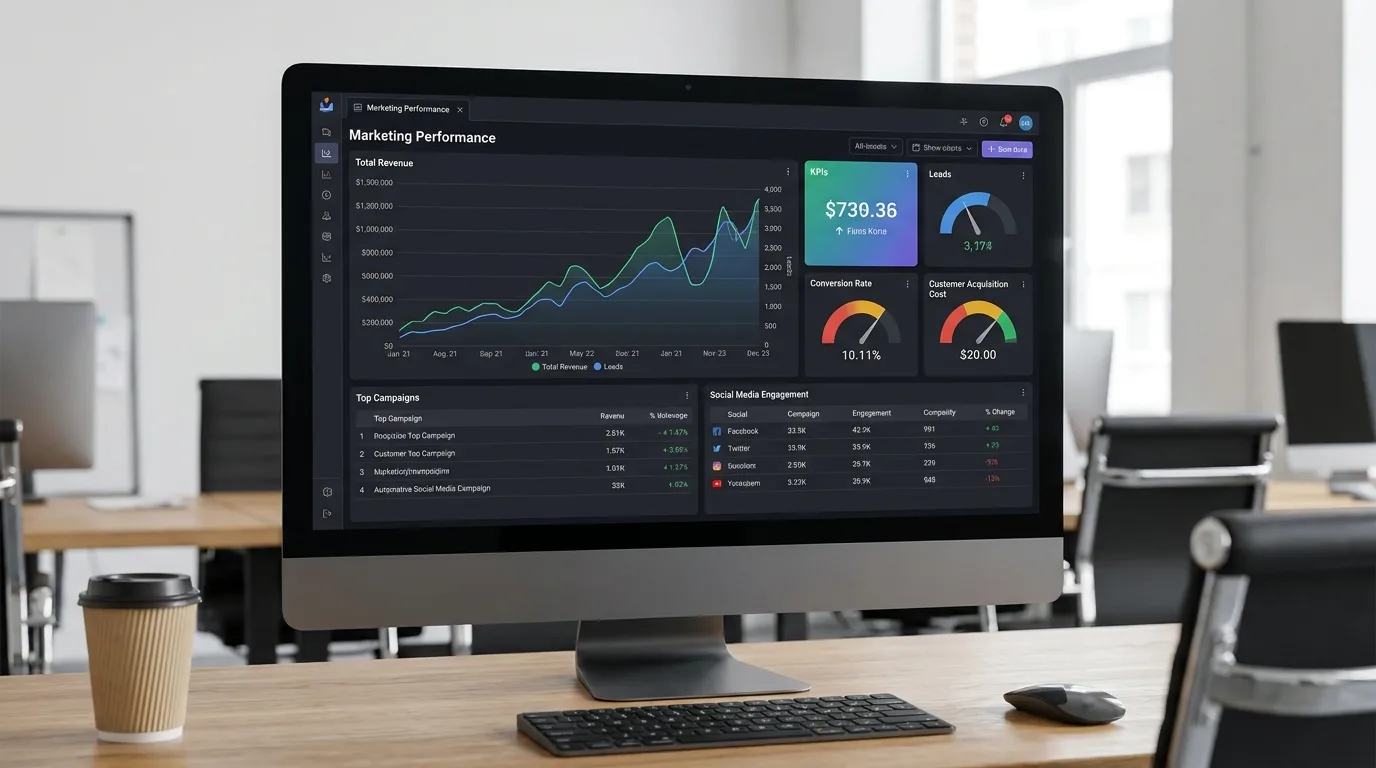
To measure traffic and engagement at a Paris-based event, we track the number of visitors, the time spent at the event, the participation rate in interactive activities (games, demonstrations, workshops), and the number of photos and videos produced on-site. A brand pop-up in the Marais or at Galeries Lafayette typically attracts between 2,000 and 15,000 visitors, depending on its duration.
In terms of media coverage and influencer reach, the key KPIs are reach (the reach of posts), the number of organic posts, the engagement rate for influencer content, and earned media value. During a press and influencer event in Paris, Frénésie also tracks the number of journalists in attendance and coverage in publications such as CBNews and Stratégies.
To measure brand impact, two studies were conducted as part of the campaign: one before and one after. The studies compared aided brand awareness, purchase intent, and brand preference. Finally, sales performance was calculated by adding direct on-site sales, redeemed promo codes, and collected B2B leads.
Key takeaways
- 4 categories of KPIs: traffic/engagement, media/influence, brand impact, sales performance
- 68% of French advertisers set ROI goals right from the design phase (ANAé, 2024)
- A pop-up store in Paris attracts between 2,000 and 15,000 visitors, depending on its duration
How do you actually calculate ROI?
ROI is calculated using the formula: (total value generated − activation cost) / activation cost × 100, by adding the business value and the media value converted into euros. Frénésie applies this method to every project in Paris by valuing commercial benefits and media exposure separately.
Let’s look at a numerical example. A campaign in Paris costs €150,000. It generates €90,000 in direct sales and qualified B2B leads, plus an earned media value of €180,000 (reach × equivalent media cost). The total value amounts to €270,000. The gross ROI is calculated as (270,000 − 150,000) / 150,000 × 100 = 80%.
This calculation is still an approximation: earned media value must be weighted, since an impression on Instagram is not equivalent to a page in a magazine. Frénésie applies a weighting factor for each channel, a practice recommended by AMEC (the International Association for Measurement and Evaluation of Communication) in its Barcelona Principles 3.0, published in 2020.
For brand-focused activations rather than sales-focused ones, the calculation includes the change in purchase intent. If purchase intent increases by 12 points among an audience of 50,000 people reached, this figure translates into potential future revenue. The Frénésie teams in Paris document these assumptions in a performance report delivered three to four weeks after the campaign. To set realistic expectations upfront, check out our guide on budgeting for a brand activation in Paris.
What tracking tools should be used for a campaign?
Tracking an activation campaign combines QR codes, dedicated promo codes, visitor counts, lead forms, and social listening to aggregate content generated by participants. Frénésie equips every Paris-based campaign with measurement tools starting in the production phase, because data not collected on-site is lost forever.
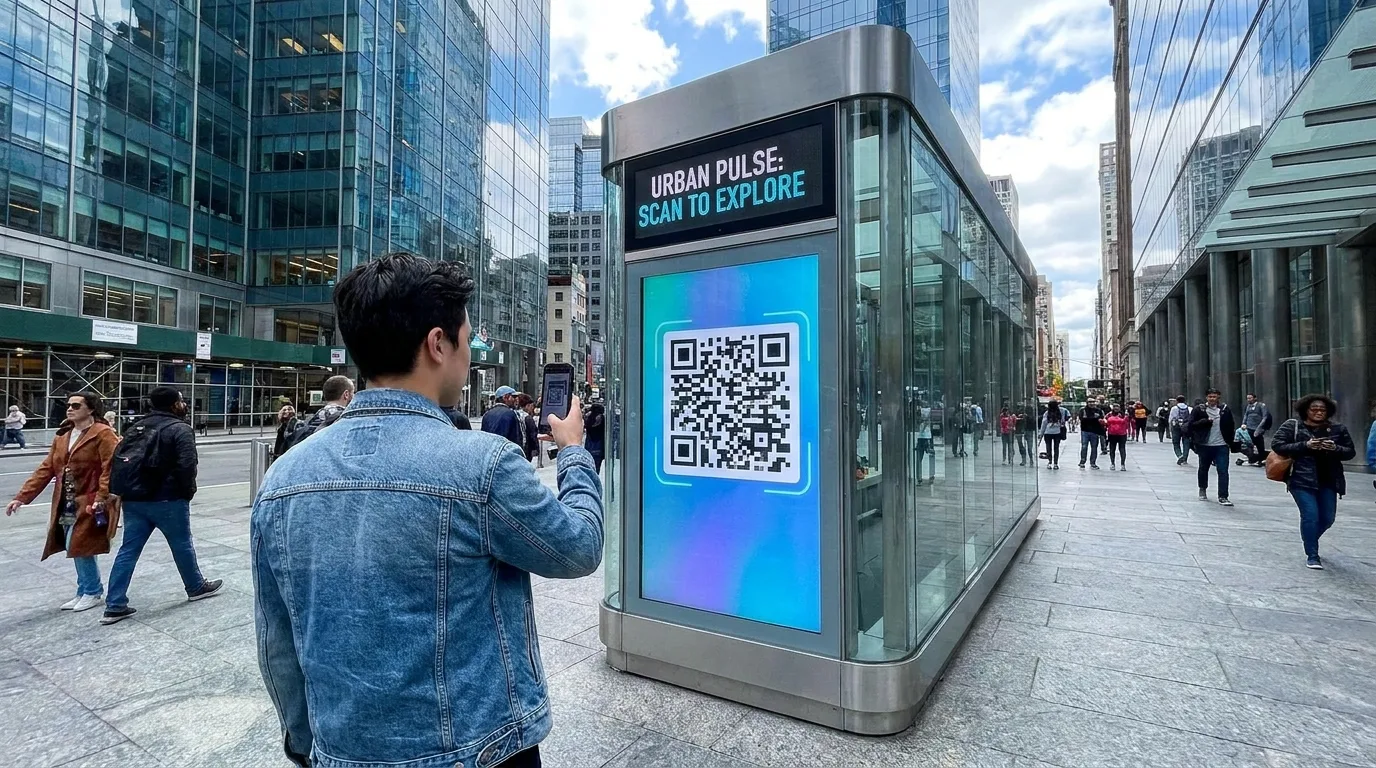
On-site, visitor counts are tracked using sensors or digital ticketing systems. QR codes direct visitors to dedicated pages, which make it possible to track their post-visit journey. A unique promo code measures sales attributable to the campaign, even several weeks after the event in Paris.
For influence and media analysis, social listening tools (Talkwalker, Meltwater) aggregate mentions, calculate reach, and estimate earned media value. They also track the sentiment of posts, a useful indicator for refining a campaign that generates a lot of buzz without necessarily convincing people.
To measure brand impact, Frénésie relies on before-and-after survey panels, often conducted through partner research firms. These studies survey an exposed sample and a control sample to isolate the actual effect of the activation. This control-group method is the standard recommended by the Union des marques in its work on marketing effectiveness. To understand how these campaigns are designed, our guide to brand activation in Paris details each step.
| Objective | Key Performance Indicator | Measuring tool |
|---|---|---|
| Sales | Additional revenue, promo codes | Unique code, e-commerce |
| B2B Leads | Number of qualified leads | Form, QR code |
| Media Coverage | Reach, earned media value | Social listening |
| Brand Impact | Purchase Intent, Brand Awareness | Before-and-After Study |
| On-site Engagement | Time spent, participation | Sensors, ticketing |
How can you maximize the value of earned media from a press event?
The earned media value of a press event is calculated by multiplying the reach of each publication by an equivalent media cost, weighted by the quality and context of the placement. Frénésie, which regularly produces press events and influencer campaigns in Paris, quantifies this impact without overestimating a raw figure that is often misleading.
A press event in Paris attended by 40 journalists and 25 content creators can generate several hundred articles and posts. The cumulative reach easily amounts to millions of impressions. But the actual value depends on the context: a feature in a well-known publication like *Stratégies* or *Konbini* carries more weight than a mention buried in an Instagram feed with little engagement.
Frénésie therefore applies weighting factors. A positive editorial feature in a leading media outlet is worth more than a simple mention. Content from an influencer with a high engagement rate counts for more than a post with a large audience but low interaction. This approach follows the logic of AMEC’s Barcelona Principles, which recommend never equating earned media value with actual advertising spend.
For press and influencer events, Frénésie provides a report that analyzes the volume, quality, and sentiment of the coverage. This document enables marketing departments in Paris to compare multiple campaigns on a consistent basis. To learn more about organizing this type of event, check out our guide to organizing a press event in Paris and our analysis of the influencer audience at Parisian events in 2026.
Reach
Cumulative reach of posts and publications, measured in impressions.
Quality Weighting
Coefficient based on the media outlet, sentiment, and engagement rate.
Final EMV
Amount in euros; compare this to the budget, but do not confuse it with a media purchase.
What mistakes should you avoid when measuring ROI?
The most common mistakes are: defining KPIs after the fact, confusing reach with actual value, ignoring the long-term impact on the brand, and attributing all sales to the campaign alone. Frénésie prevents these biases by establishing a framework for measurement right from the brief for each Paris-based project.
The first mistake is to define metrics only after the campaign has been launched. Without before-and-after measurements, it’s impossible to isolate the actual impact on brand awareness or purchase intent. In Paris, Frénésie plans data collection in advance, as part of the production timeline.
The second mistake overestimates earned media value by multiplying gross reach by the full advertising rate. This practice artificially inflates the ROI. Since 2020, AMEC’s Barcelona Principles 3.0 have emphasized that an earned impression is not worth as much as a paid impression.
The third mistake overlooks deferred value. A brand experience campaign builds brand preference over several months. Reducing its ROI to just sales on the day of the campaign underestimates its impact. The fourth mistake attributes 100% of sales to the campaign, ignoring other marketing levers active at the same time. A shared attribution model corrects this bias. To avoid these pitfalls from the start, our guide to briefing a brand experience agency helps you set the right measurable objectives.
ROI varies depending on the type of system
ROI isn’t measured the same way for a sales-focused pop-up, an exhibition-focused press event, or a brand-focused immersive experience. Frénésie tailors its measurement framework to each format produced in Paris, because a metric that’s relevant for a pop-up may be irrelevant for a press event.
For a brand pop-up or a temporary flagship store in Paris, the ROI is primarily business-driven: in-store sales, average basket size, converted traffic, and customer data collection. Media exposure is a bonus. A well-designed retail experience generates measurable commercial returns starting in the very first week.
For a press and influencer event, ROI depends primarily on earned media value and the quality of the coverage. The goal is not to make sales on the spot but to establish a message with audiences and within contemporary culture. Sales, if any, come later.
For an immersive experience or an experiential product launch, ROI combines brand impact (brand recall, purchase intent) and the volume of user-generated content. Frénésie then measures brand image growth through surveys and the spontaneous sharing rate. Each format requires its own approach, which is why the agency sets priorities on a case-by-case basis. Explore our documented projects to see these strategies applied to brands such as Perrier, Hendrick’s, and Swatch.
What our customers say
Frénésie has an average rating of 5.0/5 based on one verified review. Here is feedback from an event manager who has worked with the agency.
“I had the pleasure of working with them on two major projects: the 10th anniversary of the company where I serve as event manager. Everything was handled with great skill and professionalism; they were able to adapt to our last-minute requests and perfectly met our expectations. Kudos to the entire team.”
— Floriane Carret, Event Manager★★★★★ 5/5
Frequently Asked Questions
What is the average ROI of a brand experience campaign in Paris?
ROI varies significantly depending on the objective and format. A well-executed campaign in Paris can exceed an 80% gross ROI by combining sales and earned media value, but this figure depends on the weighting factor applied to media coverage.
Should ROI be measured before or after activation?
Both. Frénésie defines the KPIs and takes a pre-event measurement, then compares it with a post-event measurement. Without a baseline, it’s impossible to isolate the actual effect of the campaign on brand awareness or purchase intent.
What is earned media value?
Earned media value is the value, in euros, of the media coverage and influence obtained without purchasing ad space. It is calculated by weighting reach by the quality of the placement, in accordance with AMEC’s Barcelona Principles.
How much does it cost to measure the ROI of a campaign?
The cost depends on the tools used: social listening, before-and-after studies, and sensors generally account for a limited portion of the overall budget. Frénésie incorporates this consideration as early as the production phase in Paris to avoid late-stage cost overruns.
Can we measure the impact of a campaign on the brand?
Yes, through before-and-after studies comparing an exposed group with a control group. This method isolates the increase in brand awareness, purchase intent, and preference attributable to the campaign launched in Paris.
Why entrust ROI measurement to an agency like Frénésie?
Because measurement begins at the design stage. Frénésie, a creative brand experience agency in Paris, incorporates KPIs into the brief and equips the campaign with tracking tools, ensuring a reliable assessment of return on investment.
Summarize this article using AI
Are you looking for a measurable brand experience activation in Paris?
Frénésie creates emotional and authentic campaigns for brands such as Perrier, Hendrick’s, and Swatch, with a structured ROI measurement process built into the brief from the start. Rated 5.0/5 based on verified reviews.
Schedule a free appointment